

Your Adolescent’s Health Is a Lifelong Commitment
Health management is proactive, not reactive. This guide covers the essential areas where parents can make a lasting difference — from substance awareness and disease prevention to protecting your adolescent’s eyesight in a screen-heavy world.
The Facts About Adolescent Brain Development
Your adolescent’s brain is still forming — and will continue to do so until their mid-twenties. This is one of the most important things a parent can know, because it shapes how substances like alcohol, drugs, and nicotine affect young people so differently from adults.
What You Need to Know
Alcohol, drugs, and nicotine — including nicotine in vapes and cigarettes — can directly impact a developing brain’s capacity for memory, learning, and decision-making. The earlier a young person begins using substances, the greater the long-term risk.
This isn’t about scare tactics. It’s about giving your adolescent honest, science-based reasons to protect themselves — reasons that go beyond “because I said so.”
Set clear expectations at home, and pair those expectations with conversations that are open, not lectures. The goal is an adolescent who understands the why, not just the rule.

Encourage Activities That Support Their Mind and Body
The best protection against substance use is a full, engaged life. Encourage your adolescent to invest time in activities that genuinely nurture them.
🏃 Sports & Physical Activity
Regular exercise builds confidence, reduces stress, and gives adolescents a natural outlet for the intense emotions puberty brings. Team sports also build the social skills and peer connections that act as a protective buffer against risky behaviour.
🥗 A Balanced Diet
Adolescence is a period of rapid physical growth. A balanced diet supports energy, concentration, mood stability, and the immune system. Model healthy eating at home — it’s one of the most powerful things you can do.
😴 Sufficient Sleep
Adolescents need 8–10 hours of sleep per night. Sleep deprivation increases emotional reactivity, impairs decision-making, and is linked to higher rates of anxiety and depression. A consistent bedtime — even at weekends — makes a measurable difference.
What to Watch For
The following signs may indicate that your adolescent is involved in drug use. No single sign is conclusive on its own — but a pattern of changes, especially in combination, warrants a calm and caring conversation.
Shifts in Friendship Groups
Sudden changes in who they spend time with, particularly if they become reluctant to introduce new friends or are vague about where they’re going.
Worsening School Performance
Frequent absences, slipping grades, or a sudden disengagement from school — especially if this represents a change from their usual patterns.
Increased Secrecy
Becoming more private or secretive about belongings and daily activities. Locking doors, hiding their phone, or becoming defensive when asked ordinary questions.
Masking Smells
Unusually frequent use of incense, air fresheners, deodorant sprays, or perfume — potentially to disguise smoke or chemical smells on their clothing or in their room.
Changes in Communication
Noticeable changes in how they talk with friends — more guarded, using “code words” or vague language, or being evasive about conversations you overhear.
Changes in Clothing Style
A new interest in outfits or items associated with drug culture — particularly if this is accompanied by other changes in behaviour or attitude.
Borrowing Money More Often
Asking for cash without clear reasons, money going missing at home, or an inability to account for where their own money is being spent.
Drug-Related Items
Finding pipes, rolling papers, or similar materials in their bedroom, bag, or clothing — even if there are alternative explanations offered.
Signs of Inhalant Use
Hairspray, nail polish, correction fluid, or other household products going missing or being used in unusual amounts. Rags or paper bags may also be present as delivery methods.
Frequent Use of Eye Drops
Regularly using eye drops — potentially to hide red eyes or enlarged pupils, which are common signs of cannabis or other substance use.
Mouthwash, Mints & Gum
Newly frequent use of mouthwash, breath mints, or chewing gum — particularly after spending time outside or with friends — potentially to conceal alcohol odour.
Missing Prescription Medication
Prescription medication going missing from the home — especially painkillers, narcotics, or mood-related medicines. Keep prescriptions stored securely and monitor quantities.
How to Approach This ConversationIf you notice these signs, resist the urge to react with anger or immediate punishment. Start with curiosity and concern — “I’ve noticed some changes and I’m worried about you. Can we talk?” — rather than accusation. An adolescent who feels safe is far more likely to open up than one who feels cornered.
Building Lifelong Healthy Habits
Health is a proactive, lifelong commitment — not something we only think about when something goes wrong. The habits your adolescent forms now will shape their health for decades to come.
Prevention Starts at Home
The most effective protection against communicable diseases is also the simplest: good hygiene, a balanced diet, and regular physical activity. These three habits reduce the risk of infection and support the immune system in doing its job.
Teach — and model — frequent handwashing (at least 20 seconds with soap and water), covering coughs and sneezes, and staying home when unwell. These behaviours normalised at home carry forward into adulthood.

Opening the Conversation About NCDs
Non-communicable diseases like diabetes and hypertension are increasingly common in Barbados — and many of them are lifestyle-related. That means the choices your adolescent makes now, from what they eat to how much they move, directly influence their future risk.
These don’t need to be heavy conversations. Framing health as something worth investing in — like financial planning or education — makes it feel empowering rather than frightening.
🧼 Hygiene
Regular handwashing, dental hygiene, and personal cleanliness are the frontline defences against communicable illness. Make sure these habits are firmly established before your adolescent is navigating a school or work environment independently.
🥘 Balanced Diet
A diet rich in fruits, vegetables, whole grains, and lean protein reduces the long-term risk of type 2 diabetes, hypertension, and cardiovascular disease. Cooking together is one of the best ways to build healthy eating habits naturally.
🏃 Regular Exercise
Physical activity reduces blood pressure, maintains a healthy weight, and significantly lowers the lifetime risk of developing NCDs. The WHO recommends at least 60 minutes of moderate activity daily for adolescents.
🩺 Regular Check-Ups
Annual health check-ups are important even when your adolescent feels fine. Early detection of elevated blood pressure or blood sugar allows for intervention before a problem becomes serious. Normalise healthcare visits as a routine part of life.
RememberHealth is a proactive, lifelong commitment. The conversations you have with your child today about diet, exercise, and disease prevention are investments in the adult they are becoming.
Protecting Your Adolescent’s Vision
Adolescents today spend more time in front of screens than any previous generation — phones, tablets, laptops, and televisions are constant companions. Regular eye check-ups, and simple daily habits, can prevent long-term damage.
The 20-20-20 Rule
Every 20 minutes, look at something 20 feet away for 20 seconds. This simple habit dramatically reduces digital eye strain — one of the fastest-growing complaints among young people.
Minutes
Every 20 minutes of screen use, take a break. Set a reminder if needed — most devices have built-in screen time tools.
Feet Away
Look at something at least 20 feet (about 6 metres) away. A window, a wall, or anything across the room will do.
Seconds
Hold the gaze for 20 seconds. This gives the muscles in your eyes a chance to relax and reset.
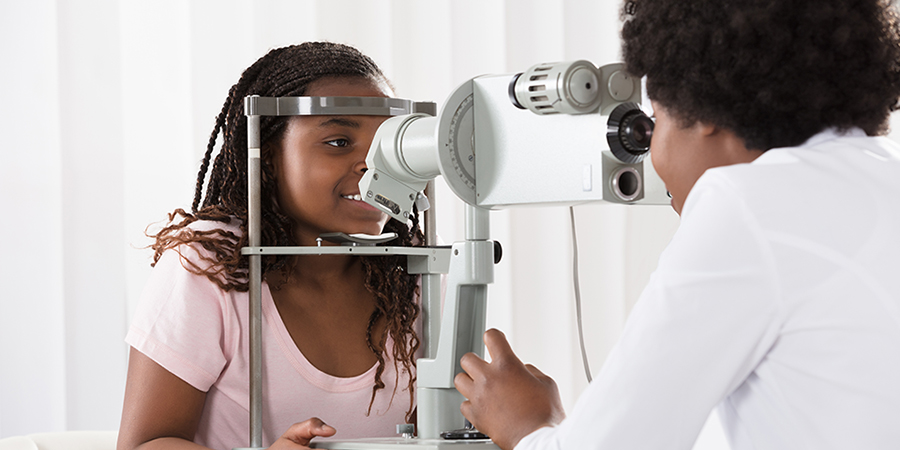
Regular Eye Check-Ups
Many adolescents with vision problems don’t realise they have them — because they’ve never known anything different. Annual eye check-ups detect issues like short-sightedness, astigmatism, and early signs of conditions that are much easier to manage when caught early.
If your adolescent is squinting at the board at school, sitting very close to the television, or regularly complaining of headaches after screen use, these are signs that a check-up is overdue.
In Barbados, eye care services are available at polyclinics across the island. Make an appointment part of your annual health routine.
Quick Tips for Better Screen HabitsIncrease text size rather than leaning closer to the screen. Use night mode or reduce blue light in the evenings. Ensure good lighting when reading — never in a completely dark room. And remind your adolescent: every 20 minutes, 20 feet, 20 seconds.
Dive into relatable content, ask anonymous questions, and explore resources designed just for you.
Yuh Good: Barbados Adolescent Health Hub @ 2026